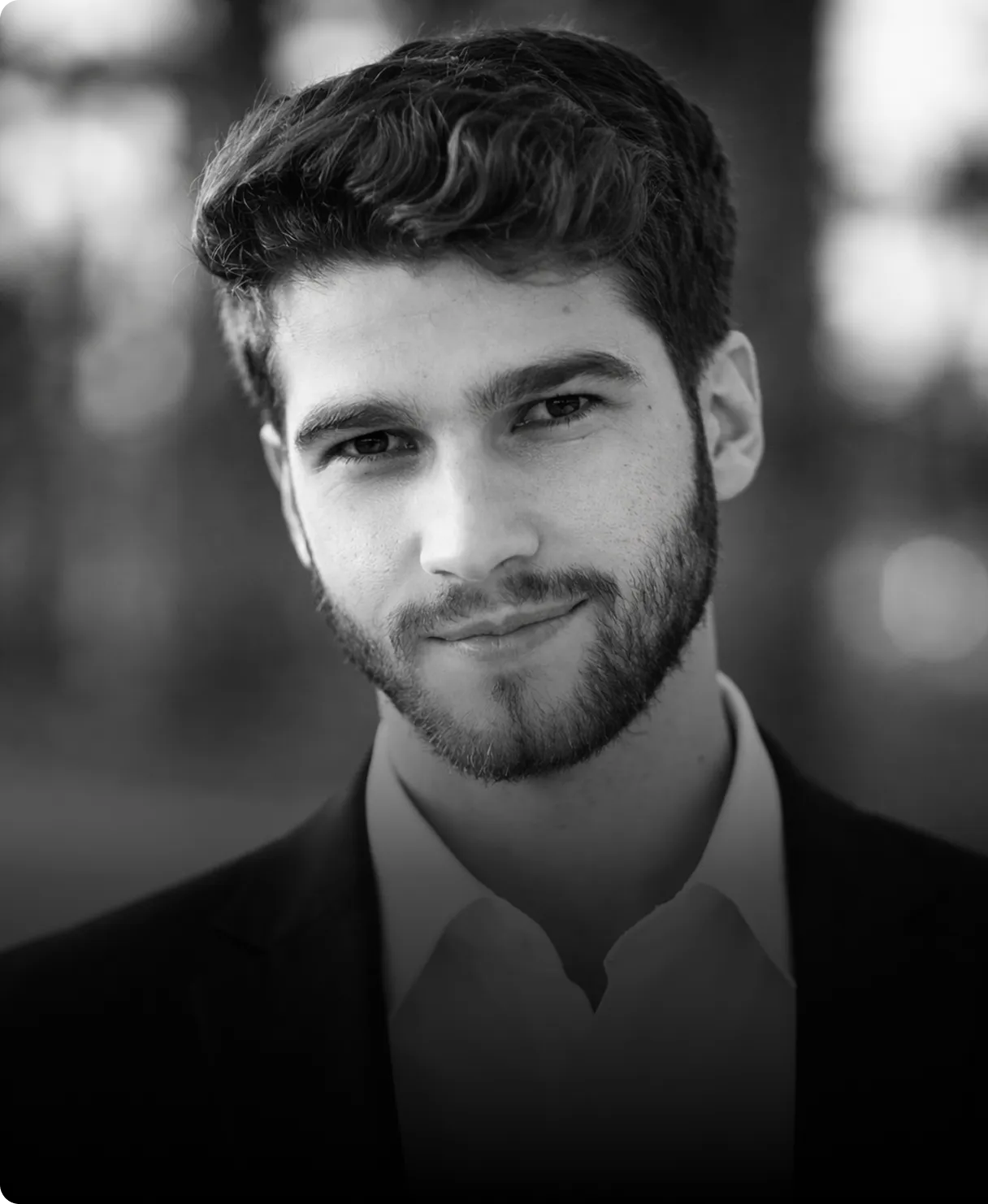
Engineer and entrepreneur with interdisciplinary training across business, mechanical engineering, and sustainable technologies, driven by a mission to build solutions that create real-world impact.

From an early age, I showed a natural inclination toward math, science, and design. That interest led me to the University of Miami on a Presidential Scholarship, where I set out to design next-generation fighter aircraft—an ambition inspired by a lifelong admiration for the Blue Angels. As with many journeys, mine evolved in unexpected ways.
After my first year, I transferred to the University of Southern California’s Marshall School of Business following several months working in mobile app development and quality assurance during my transition across the country. During the remainder of my undergraduate studies, I focused on developing practical technical skills in front-end web development and video game design. I graduated with a Bachelor of Science in Business Administration and a minor in Archaeology. With my graduation ceremony taking place in my kitchen during the COVID-19 pandemic, I—like many others—faced uncertainty about what would come next.
Rather than accepting a remote role in quality assurance, I chose to treat the crisis as an opportunity. On the advice of a USC advisor, I enrolled concurrently in four community colleges—made possible by fully remote instruction during COVID-19. Through sustained effort, often studying twelve or more hours per day, I completed the equivalent of a bachelor’s degree in mechanical engineering in two years. In 2022, I was fortunately accepted into USC’s Master of Science in Mechanical Engineering program.
Through in-depth conversations with mentors, I came to understand that traditional mechanical engineering pathways often funnel graduates toward either defense or petroleum. At that moment, I made a vow never to design with the intent of causing harm. Seeking a more impact-driven direction, I petitioned the Dean of Viterbi and successfully transferred my admission into the Green Technologies program—an engineering master’s degree focused on sustainability.
Since then, my work has been guided by a singular focus: addressing the world’s most pressing challenges. Through experience in both engineering and sustainability, I have come to believe that the most consequential problems facing humanity are social in nature. Today, I work in advocacy and—most importantly—on helping address the growing divides in society by fostering understanding, collaboration, and durable human connection.
I have appeared in national and regional media discussing engineering, campus climate, Jewish life, and civic dialogue.
.jpeg)

.jpeg)

.png)
Otanu is a social platform designed to foster civil, face-to-face conversation across differences, grounded in behavioral science and real-world human connection. As Co-Founder & COO, I lead the company’s strategy, product vision, and execution at the intersection of technology, psychology, and social impact.
.png)
Design, prototype, and fabricate systems for hydroponic shipping-container farms. Co-developed the Urban Farming 101 curriculum and provided startup consulting support.
.png)
Co-founded a social-impact startup developing drone-mounted sensor kits and AI software for landmine detection. Led business development, prototyping, fundraising, and operations.

I was introduced to Tikkun Olam Makers during my post-baccalaureate studies and was immediately drawn to its mission: mobilizing underutilized talent and manufacturing capacity to improve lives through assistive technology. As an early-stage engineer completing prerequisite coursework and applying to master’s programs, TOM provided an ideal environment to develop tangible engineering skills while making meaningful impact.
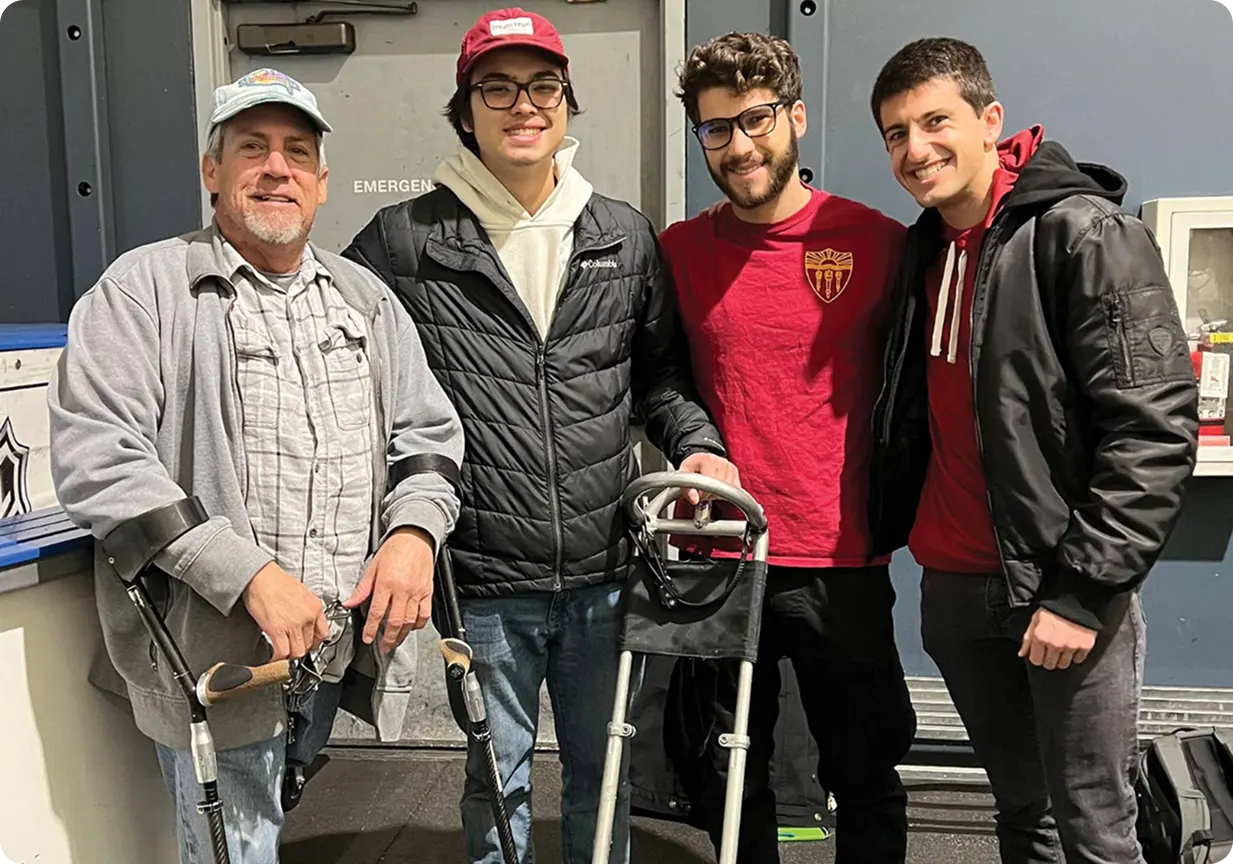
While completing my undergraduate coursework in mechanical engineering, I joined the TOM University Fellowship Program and began volunteering. After being accepted into USC’s Viterbi School of Engineering, I worked to establish TOM’s presence on campus. Through an intensive grassroots outreach effort, TOM USC grew into a dedicated team of creative and technically skilled students.
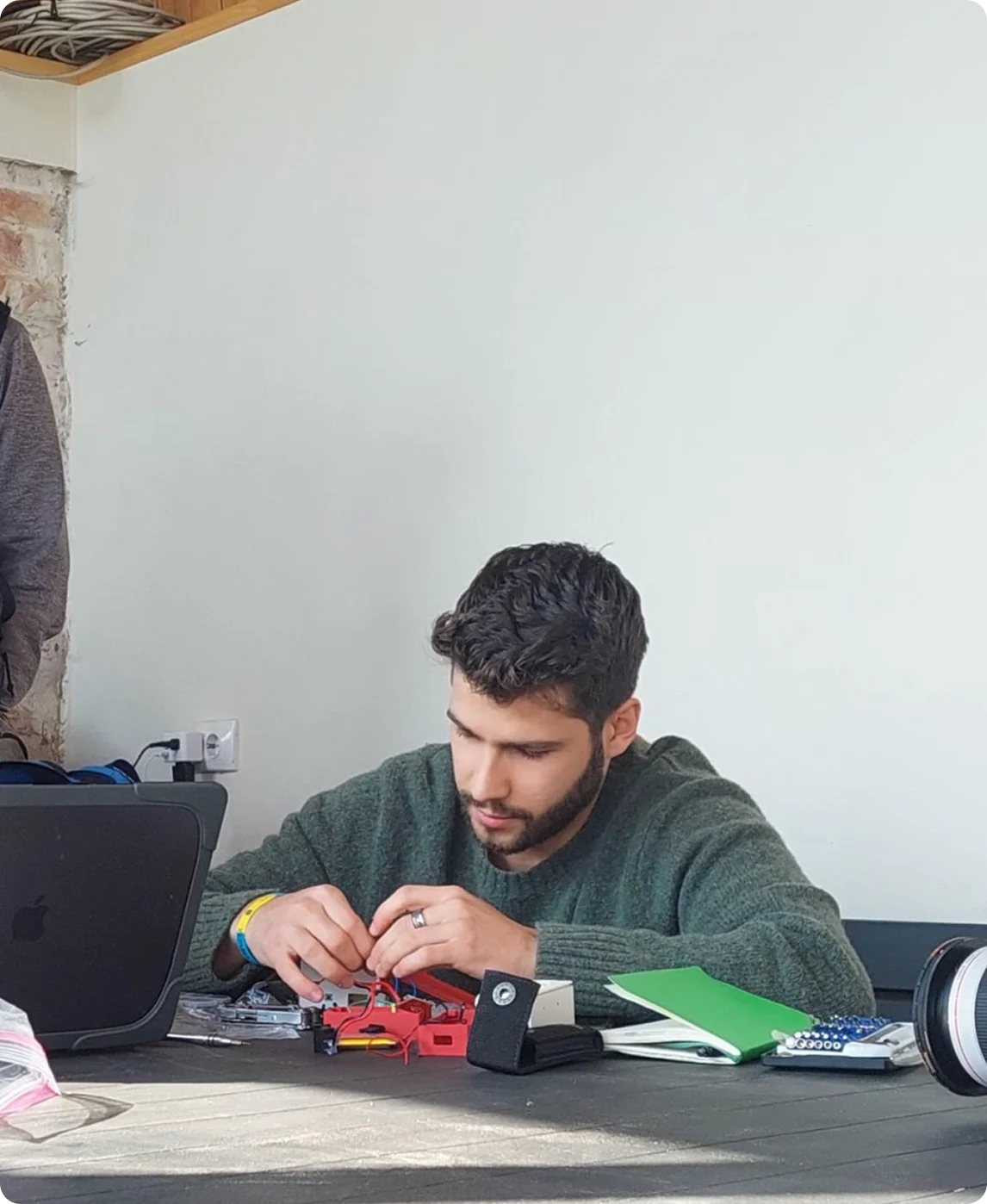
Our chapter partnered with community members and leveraged USC’s resources to design and build assistive devices, including a detachable motor pack capable of electrifying any manual wheelchair. This project earned the TOM USC team a formal award for innovation and impact.
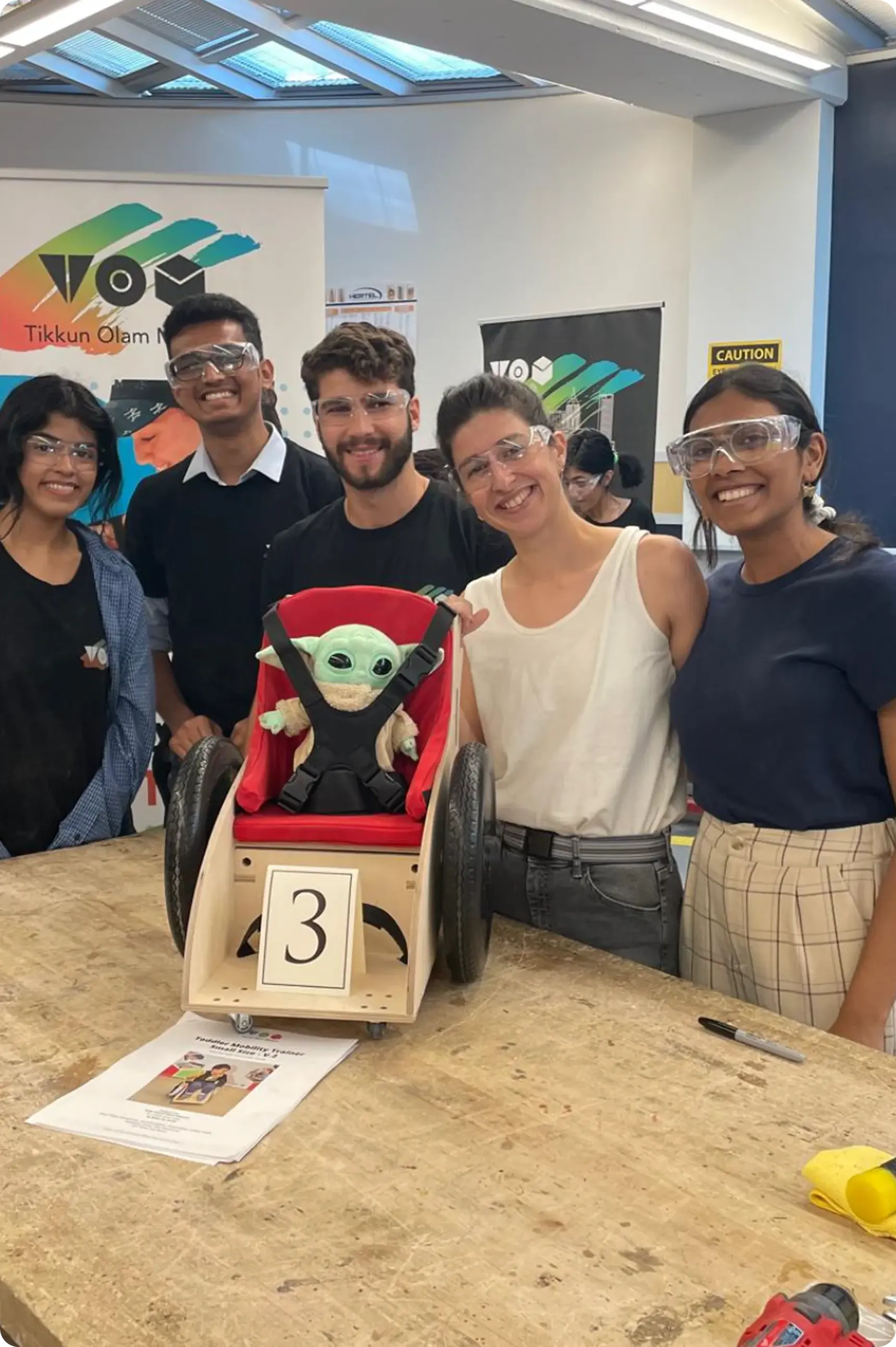
In the summer of 2023, I volunteered at TOM’s headquarters in Israel, contributing to multiple projects, including work for Ichilov Medical Center. Most notably, I collaborated with both Israeli and Palestinian engineers through the local TOM chapter in Ramallah. Working side by side in a shared makerspace in Tel Aviv, we developed prosthetics and assistive technologies for both communities—an experience that underscored how collaboration and compassion transcend political and cultural divides.
During my final year at USC, TOM became an officially recognized student organization, expanding to dozens of active members. We taught design and engineering fundamentals, delivered custom assistive projects, and organized build events to donate wheelchairs to local children’s hospitals. Since graduating, I remain involved as a member of the TOM Alumni Board and continue to volunteer whenever possible.

During the second year of my master’s program, I was admitted to USC’s Innovation in Engineering and Design for Global Crisis program, commonly known as Lives Not Grades. This immersive course functions as both an academic experience and a startup incubator, placing students in crisis regions to develop social entrepreneurship solutions.
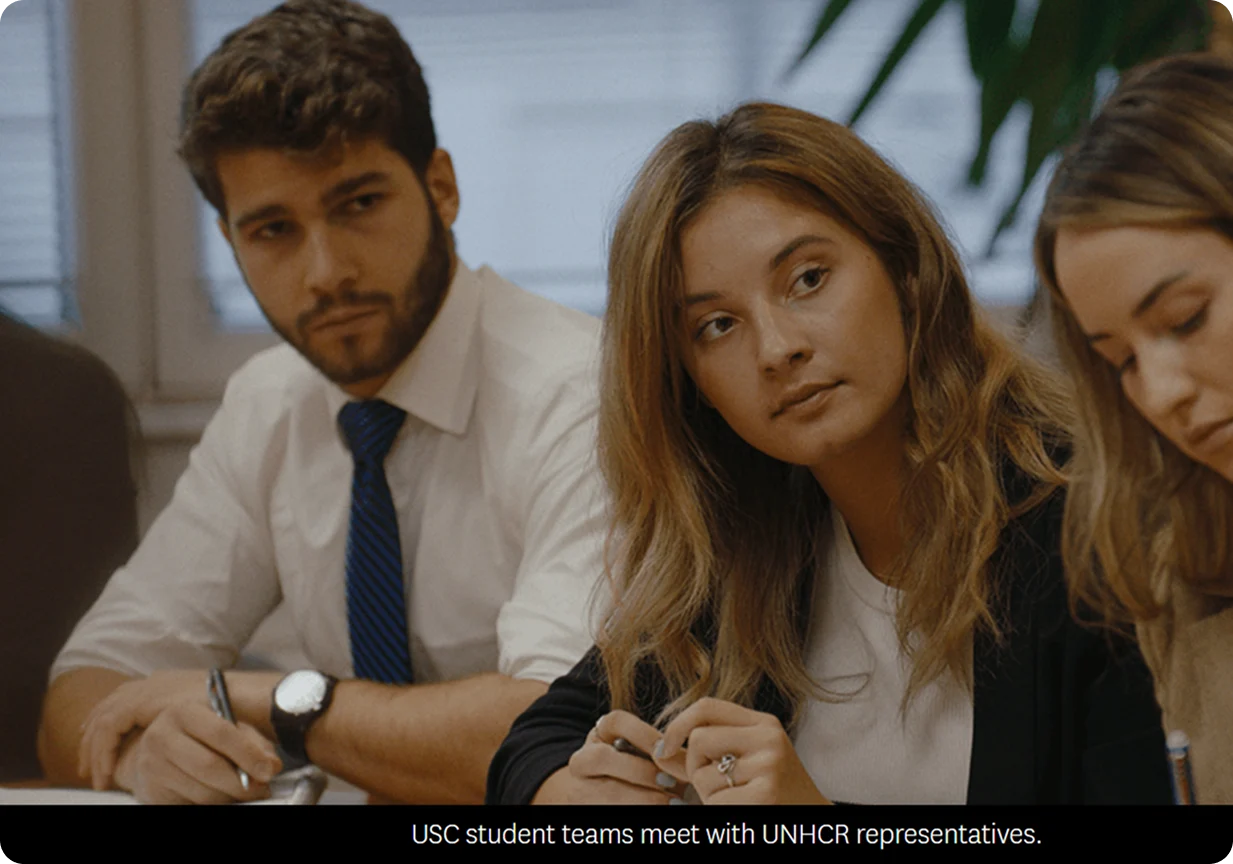
Following the outbreak of the Russia–Ukraine war, my cohort traveled to Romania and into Ukraine, where we met with refugees, local officials, and individuals directly impacted by the conflict. After extensive field research, my team focused on addressing the humanitarian threat posed by landmines.
Our work centered on the PFM-1 “Butterfly” mine—a Soviet-era anti-personnel device deployed in large quantities and disproportionately affecting civilians. In response, we founded SkyGuard, a landmine detection initiative.
SkyGuard consists of a lightweight sensor package compatible with commercial drones, paired with AI-driven image processing software. When deployed over contaminated areas, the system identifies and geolocates unexploded ordnance, producing clear maps for disposal teams. Multiple working prototypes were built and successfully tested with user groups in the field.
SkyGuard was named a semifinalist in both the Min Family Challenge and the Maseeh Entrepreneurship Prize Competition, and finished as runner-up in the Lives Not Grades program. While limited product–market fit prevented continued commercialization, the designs, schematics, data, component information, and software are available at no cost upon request.

My introduction to peacebuilding emerged organically through my work with Tikkun Olam Makers, where I collaborated with Israeli and Palestinian engineers to create technologies serving both communities.
Although trained as an engineer rather than an activist, the events of October 7th and the subsequent war compelled me to act. As I witnessed rising hostility toward my family, peers, and the broader Jewish community—particularly on campus—I felt a responsibility to respond constructively. I concluded that my most effective contribution would be to foster dialogue and relationships across divides.
I began organizing and tabling on campus to build alliances between Jewish and Muslim students, working alongside peers, student organizations, and external partners such as Sharaka. I engaged university leadership across student wellness, DEI, and religious life, making meaningful progress before a university-wide scandal escalated tensions to a point where the work could no longer continue. After graduation I undertook diplomatic missions around Europe and the Middle East, and had the privilege of both volunteering and meeting several ambassadors and regional officials in pursuit of peace.
Today, that commitment continues in a different form. After achieving conversational proficiency in Hebrew, I have spent over a year studying Arabic daily. I am currently developing a video project exploring the shared values, traditions, and narratives within Judaism and Islam, with the goal of promoting mutual understanding. These videos will be published here as they are released.
To date, I have created and fabricated over 300 original designs. Please contact me if you are interested in any of the models or would like custom work.
This space is where I share perspectives on technology-driven problem solving and the human dimensions of engineering. I reflect on advocacy, dialogue, and building tools that strengthen human connection, drawing from hands-on work, research, and real-world leadership experience.
I welcome thoughtful, purpose-driven outreach and aim to ensure inquiries are routed appropriately.